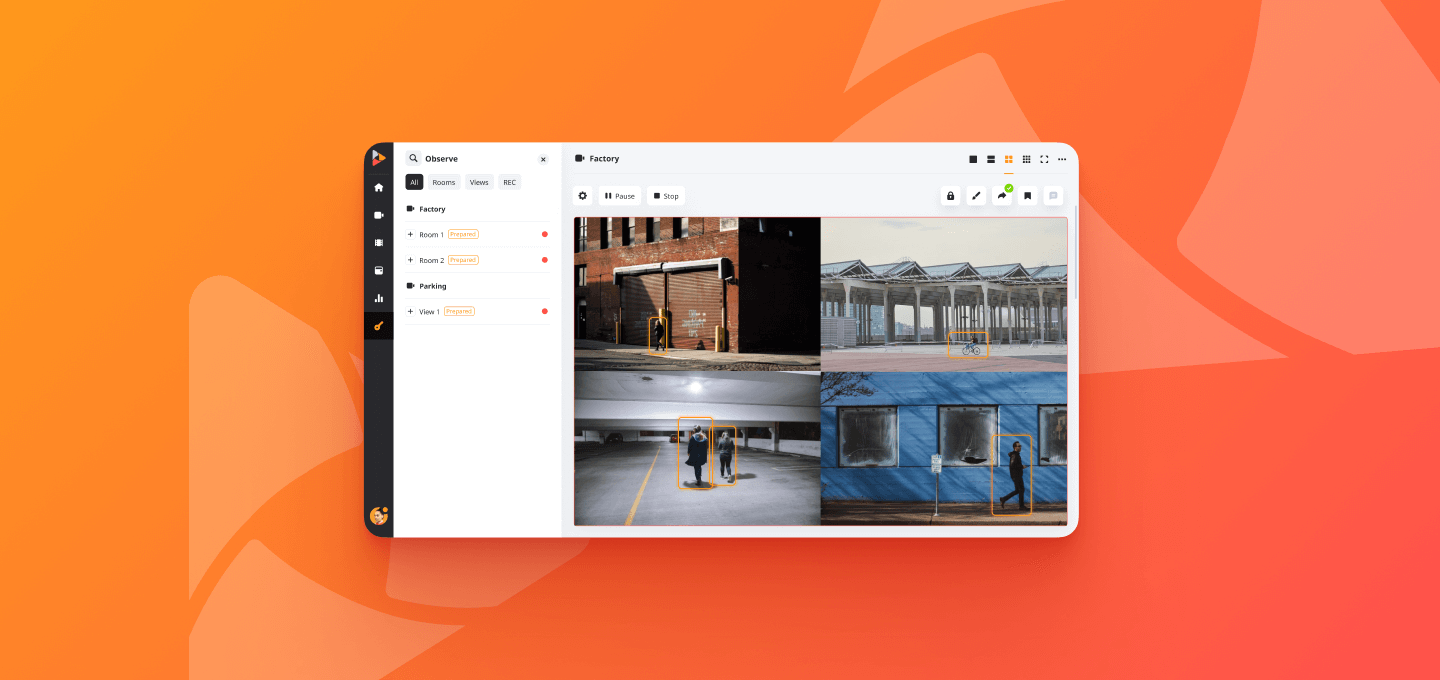
What I actually did on it.
Led development across the full stack
Lead developer on VALT for four years, owning features end to end across the Vue frontend and the Symfony (PHP) backend, not just one side of the wire.
Proposed and rolled out a new application architecture
Once the product had piled up a lot of varied functionality, I proposed a cleaner architecture: a DDD-style design split into layers with a hexagonal (ports and adapters) structure. I wrote the core documentation for it, aligned it with the team, and drove the adoption. It also untangled duplication I had spotted between the internal API and the public API that customers built on. Alongside it I established a testing discipline on the frontend: unit tests where there had been none, and integration tests as a standard.
Set the conventions and reviewed the client's engineers
Worked directly with the US client's engineering team. Their developers sent their code to me for review, and I assessed it regularly, flagged what to fix and how to do it properly, and authored the conventions the whole project was built to.
Drove test coverage across the app
Established end-to-end and functional tests across the product, on top of the unit and integration discipline the new architecture introduced.
Led the Vue 2 to Vue 3 migration of 2,500+ components
Drove the full migration in place, moving the codebase off the class-based style (vue-class-component / vue-property-decorator) onto the Composition API, without freezing feature delivery. Optimized runtime performance along the way.
Cut production build time roughly 20x (10 minutes to 30 seconds)
Led the Webpack to Vite migration and simplified the toolchain config, so the whole team shipped faster every day.
Contributed to the UI/UX redesign
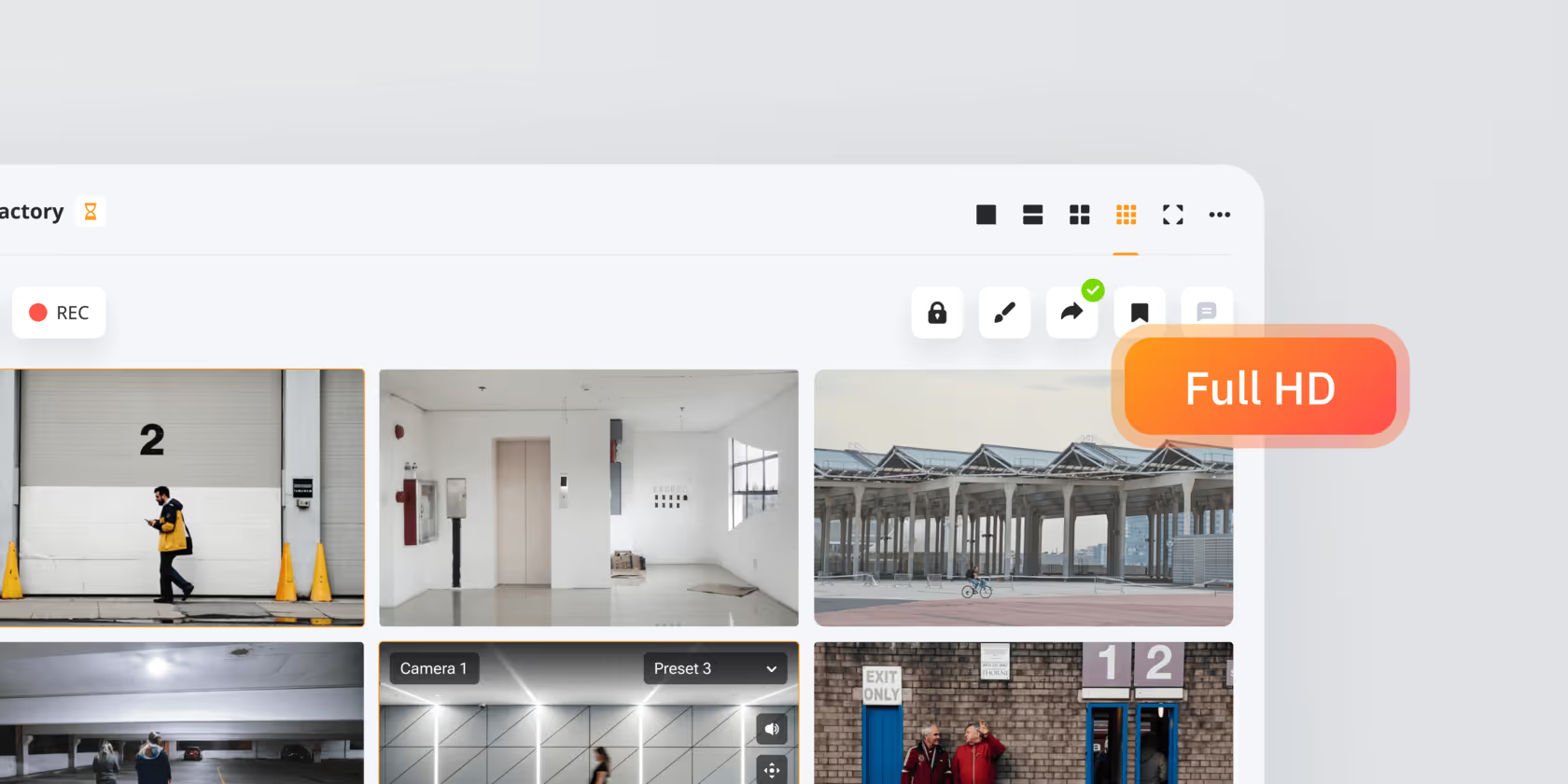
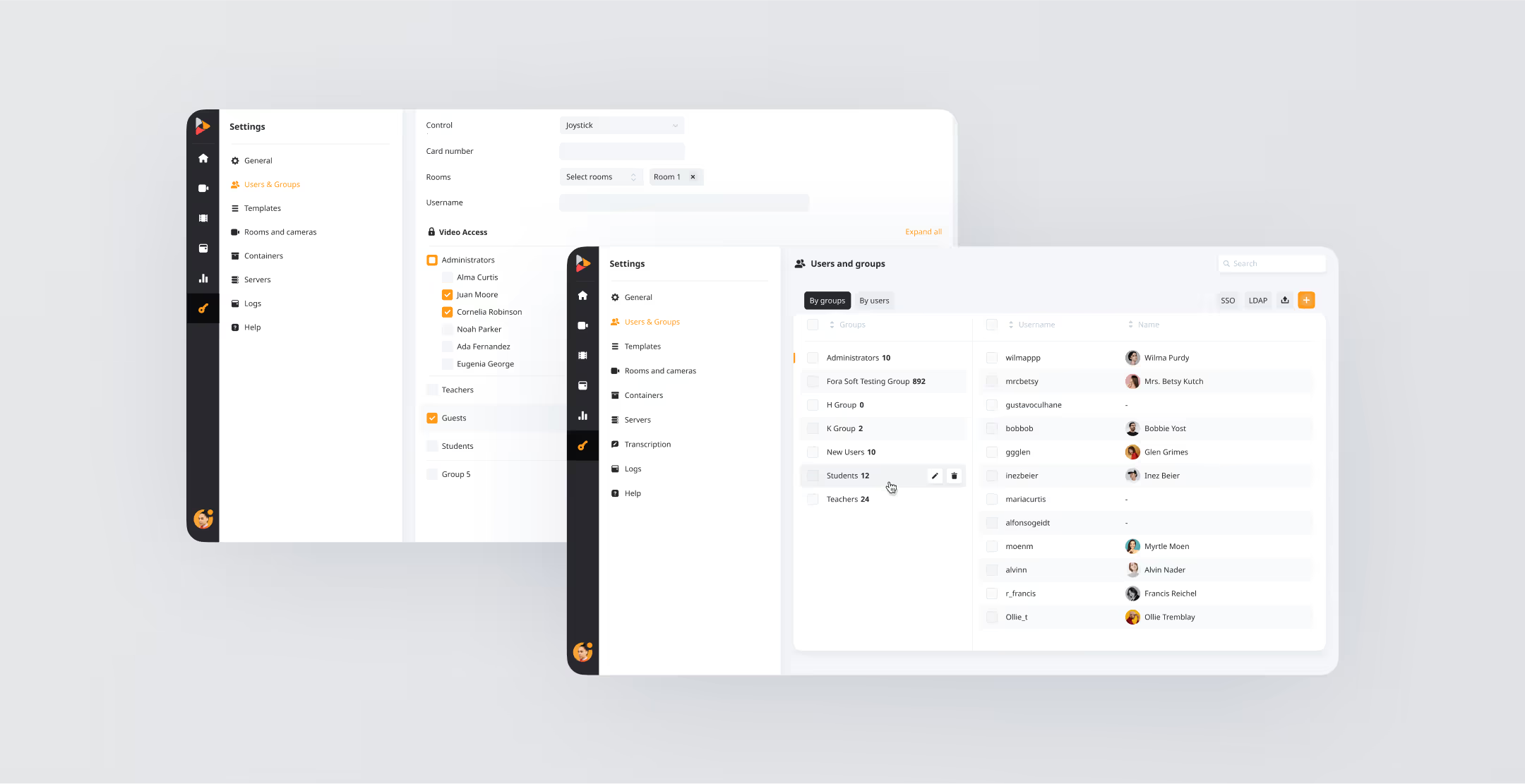
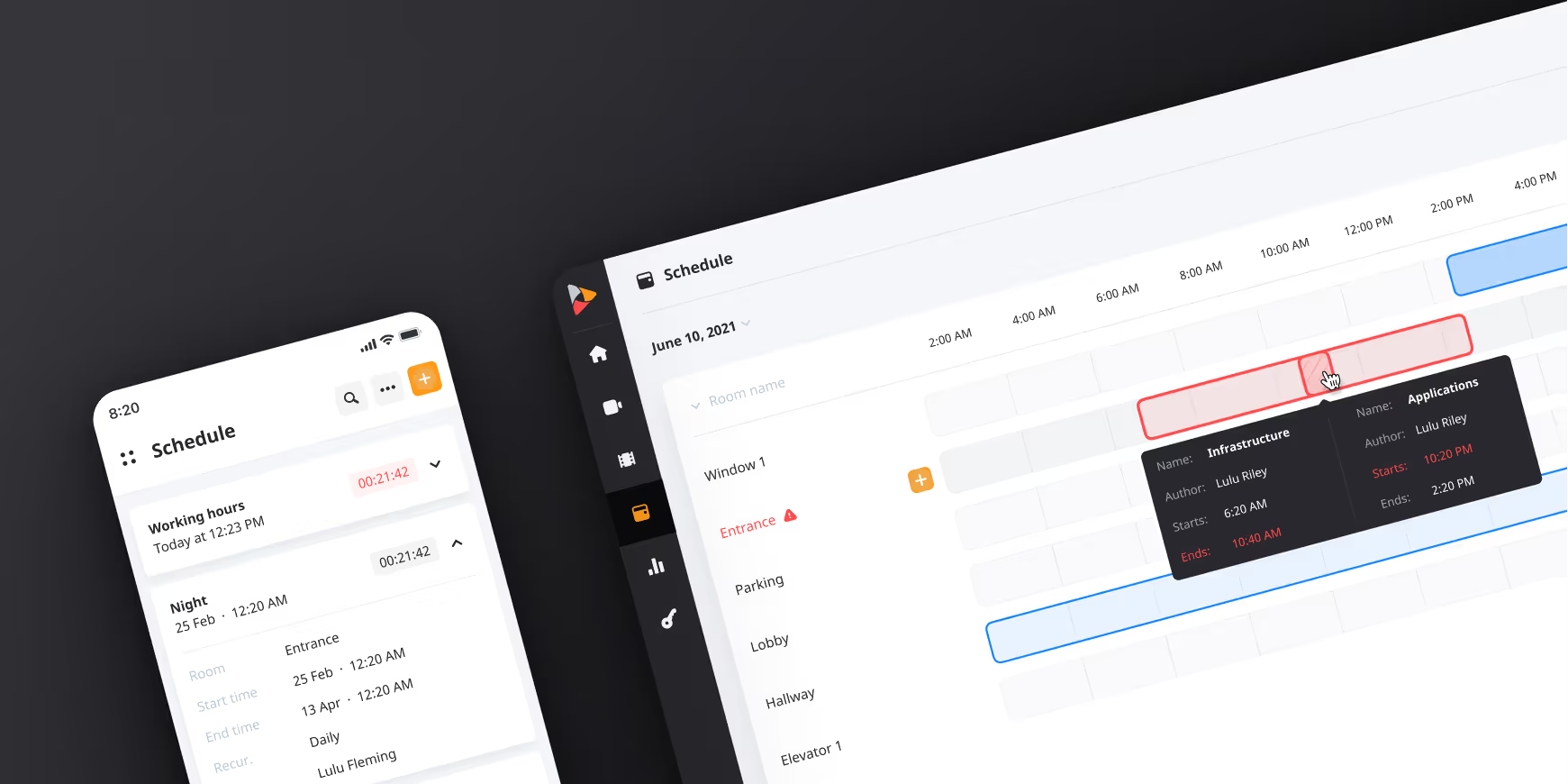
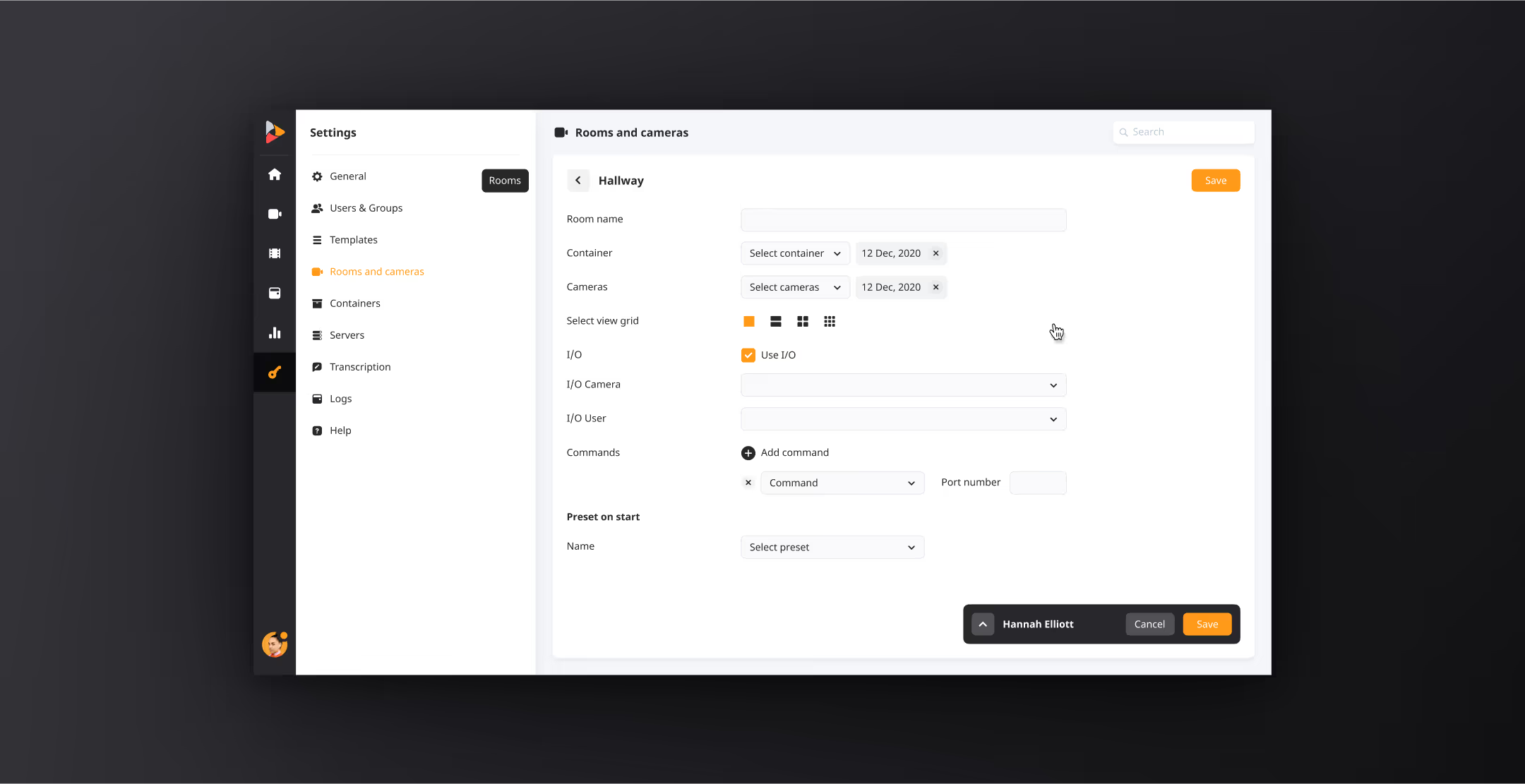
Helped rework the interface in a redesign that measurably improved usability.
Patched the Java-based Wowza streaming module
When real-time streaming broke deep in the media layer, I went into the Java Wowza module myself and fixed it. Not a language I live in, but the problem needed solving and I owned it.
Killed accumulating audio latency in talk-to-camera
Older IP cameras had no real-time audio protocol (VoIP) for talking back into them, so audio was pushed over HTTP and the delay piled up until it was unusable. I moved audio capture and encoding off the main thread into an AudioWorklet, ran the format conversion right there in that dedicated audio thread on the frontend, then handed the processed stream to the module that sends it to the camera. The drift was gone and audio stayed in sync.
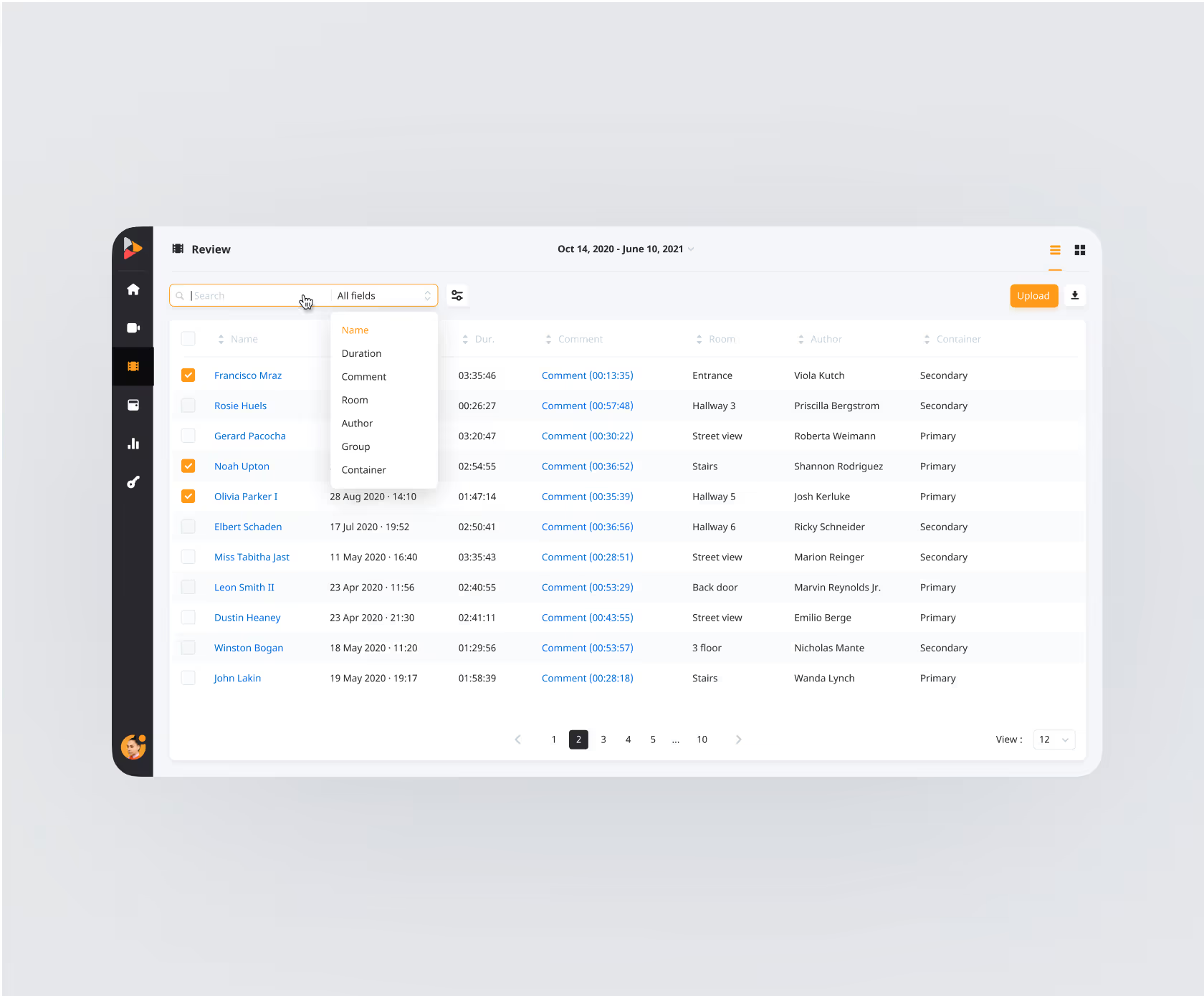
Built the commenting and marker system from scratch
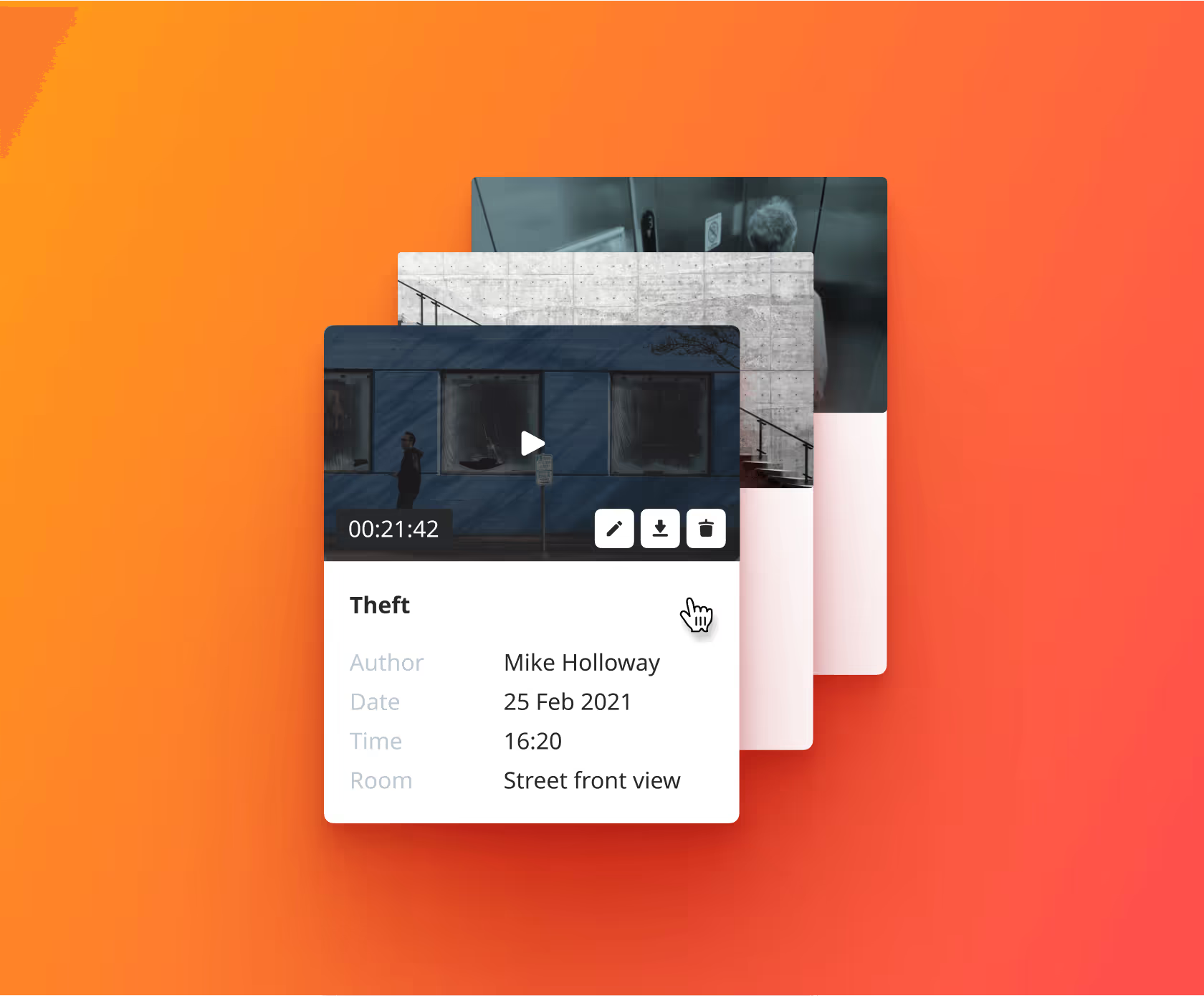
Designed and built it end to end, the Symfony API and the Vue UI, and integrated it cleanly into the existing recording architecture.
Built the reporting and analytics module
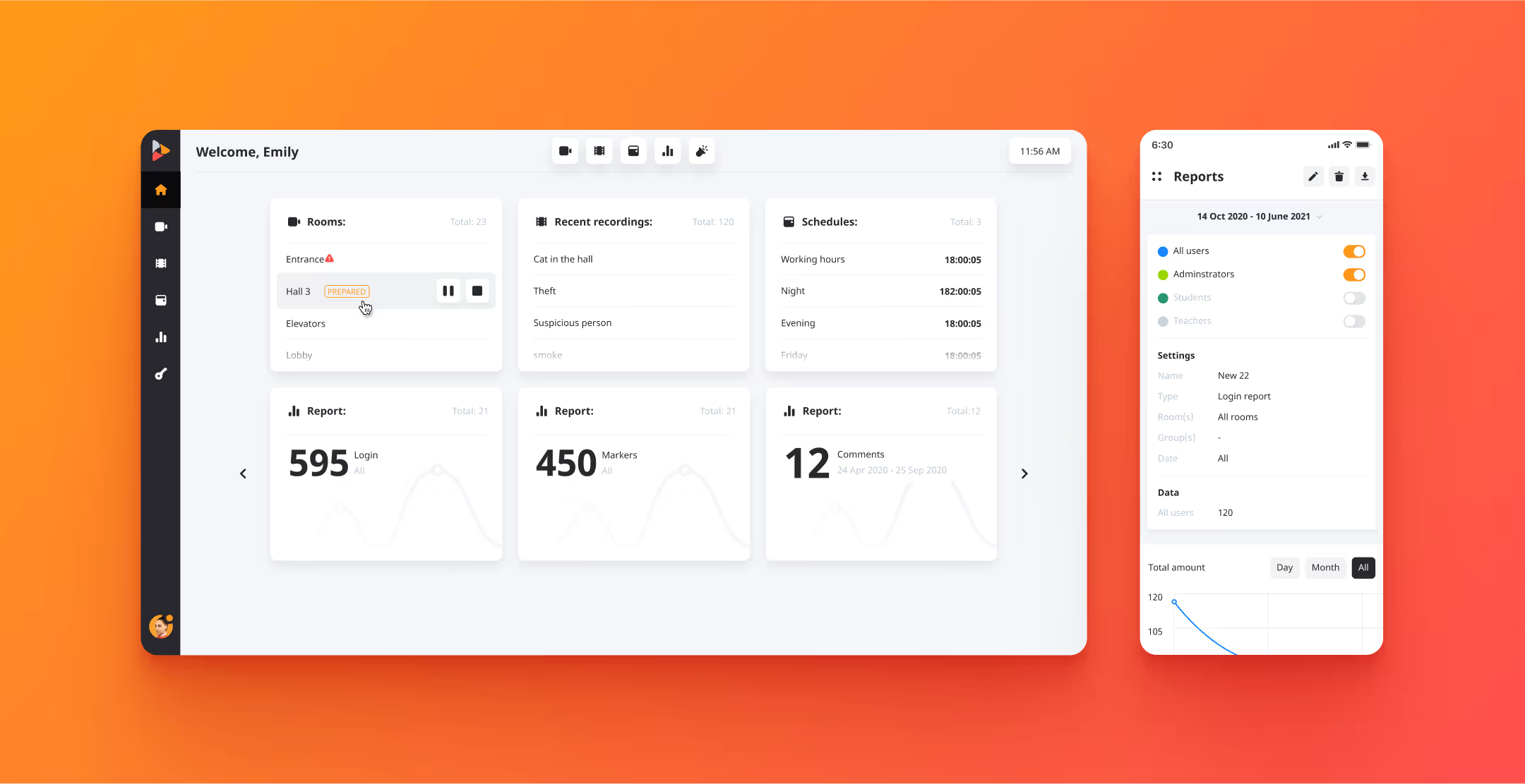
Backend aggregation in Symfony plus Vue dashboards; administrators get detailed usage statistics and department reports.
What VALT does.
Used by Law enforcement, Medical simulation (HIPAA), Child advocacy centers.